Winter Pipe Prevention Checklist for St. Charles County Homeowners
Jump to Section:
Winter in St. Charles County and West County can be beautiful, with snow-covered rooftops and cozy nights by the fire. But let's be honest, the freezing temperatures can also wreak havoc on your home's plumbing. One night of subzero weather, and suddenly you're dealing with burst pipes and water damage that turns your basement into an ice skating rink.
We've seen it happen more times than we'd like to count. That's why our team at True North Restoration of Greater St. Louis West put together this straightforward winter pipe prevention checklist. Think of it as your game plan for keeping those pipes intact when temperatures plummet.
Why Winter Pipe Prevention Matters in Our Area
Here's the thing about St. Charles County winters: they're unpredictable. One day it's 45 degrees, and the next morning you're scraping a half-inch of ice off your windshield. These temperature swings, combined with those bitter cold snaps we get in January and February, create the perfect conditions for frozen pipes.
And when pipes freeze? They expand. And when they expand, they burst. We've responded to countless emergency calls where homeowners wake up to water gushing through walls or ceilings. It's not pretty, and it's definitely not cheap to fix. But the good news is that most of these situations are completely preventable with a little preparation.
Your Essential Winter Pipe Prevention Checklist
Don't Wait Until It's Too Late
Our IICRC certified team is available 24/7 to help with water damage emergencies. We offer a 45-minute response time to St. Charles County and West County homes.
Call Us Now: (314) 557-3990Insulate Exposed Pipes
This is probably the most important thing you can do. Any pipes in unheated areas like your basement, crawl space, garage, or attic need insulation, period. You can pick up foam pipe insulation at any hardware store for just a few bucks. It's like putting a winter coat on your plumbing.
Pay special attention to pipes along exterior walls. These are usually the first to freeze because they're closest to the cold. If you're not sure which pipes are most vulnerable, a good rule of thumb is: if you can see it and it's not in a heated room, wrap it up.
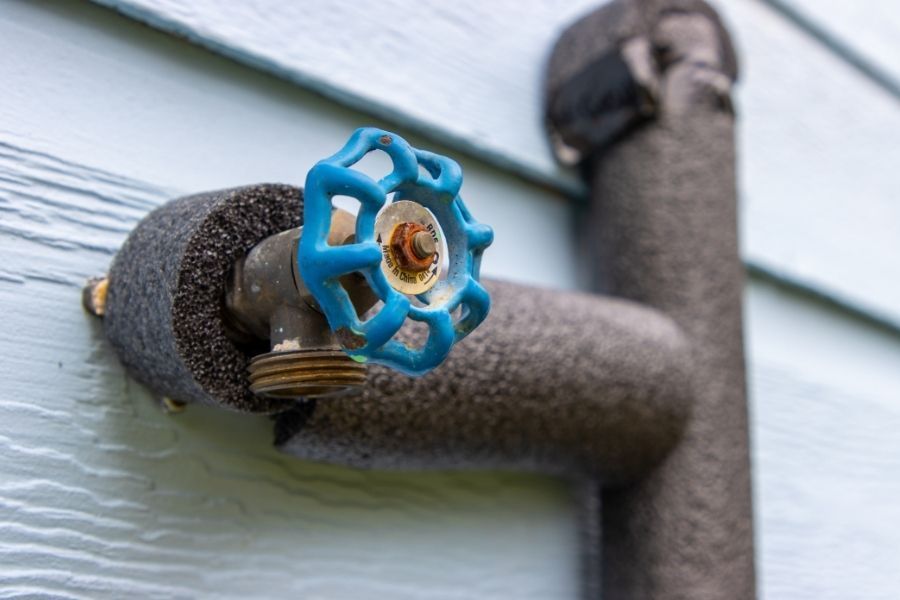
Foam pipe insulation is an inexpensive way to protect your plumbing from freezing temperatures.
Keep Your Thermostat Consistent
We get it, heating bills can sting. But letting your house get too cold while you're away or at night is asking for trouble. Keep your thermostat set to at least 55 degrees, even when you're not home. Think of it as cheap insurance against a much more expensive water damage disaster.
And here's a pro tip: don't close off rooms to save on heating. That room with the door shut might drop below freezing while the rest of your house stays warm, and those isolated pipes can still freeze and burst.
Open Cabinet Doors During Cold Snaps
This one sounds almost too simple, but it works. When temperatures are forecast to drop into the teens or single digits, open the cabinet doors under your kitchen and bathroom sinks. This lets warm air circulate around the pipes. If you've got curious pets or little ones, just move any cleaning supplies out of reach first.
Let Faucets Drip
When that arctic blast is rolling through, let your faucets drip slightly overnight. You don't need a full stream, just a slow, steady drip. Moving water is much harder to freeze than standing water. Yes, your water bill might go up a couple dollars, but it's nothing compared to the cost of repairing burst pipe damage.
Focus on faucets that are fed by exposed pipes or pipes that run along exterior walls. These are your high-risk areas.
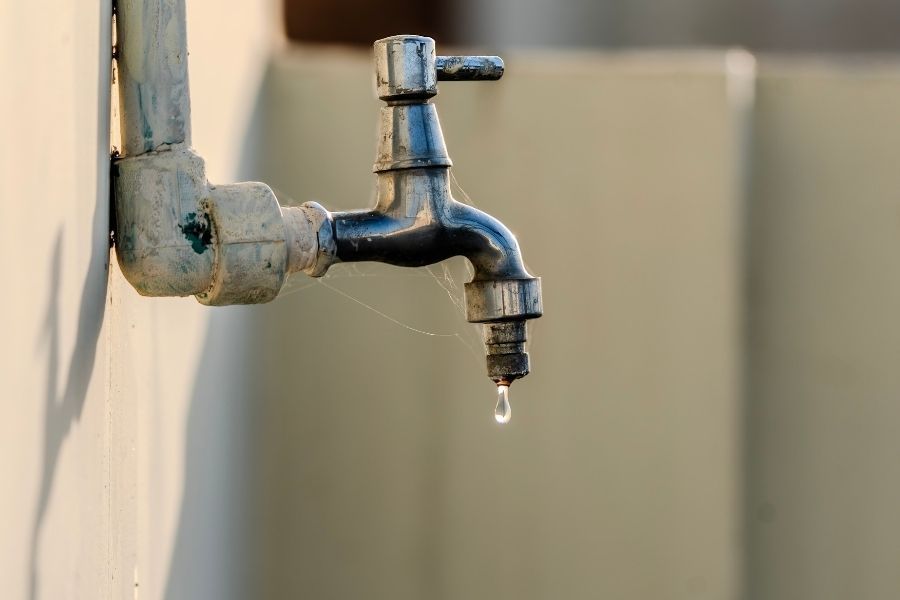
A slow, steady drip can prevent pipes from freezing during extreme cold snaps.
| Temperature Range | Risk Level | Actions to Take |
|---|---|---|
| Above 32°F | Low | Maintain normal precautions |
| 20°F to 32°F | Moderate | Open cabinets, check insulation |
| 10°F to 20°F | High | Let faucets drip, open cabinets |
| Below 10°F | Very High | All precautions, monitor closely |
Disconnect and Drain Outdoor Hoses
Before the first hard freeze hits, disconnect all garden hoses and drain them. Then, shut off the water supply to outdoor faucets from inside your home if you have shut-off valves. If your outdoor faucets have drain caps, open them to let any remaining water escape.
Leaving hoses connected can trap water in the faucet and the connecting pipes inside your wall. When that water freezes, it expands and can crack the pipe, leading to hidden water damage that you won't discover until spring when water starts leaking into your walls.
Seal Up Air Leaks
Cold air sneaking into your home through cracks and gaps can cause nearby pipes to freeze. Walk around your basement, crawl space, and any unheated areas looking for drafts. Common culprits include:
- Dryer vents
- Electrical wiring holes
- Gaps around pipes where they enter the house
- Windows and door frames in unheated spaces
Seal these up with caulk or spray foam insulation. It'll help keep your pipes warm and your energy bills lower. Win-win.
Know Where Your Main Water Shut-Off Valve Is
Okay, this isn't prevention exactly, but it's critical knowledge. If a pipe does burst, you need to be able to shut off your home's water supply immediately to minimize damage. Most main shut-off valves are located near where the water line enters your house, often in the basement or crawl space.
Make sure everyone in your household knows where it is and how to use it. In an emergency, every second counts. We've seen the difference between minor water damage and major disaster come down to how quickly someone shut off the water.
Consider a Smart Water Leak Detector
Technology has come a long way. Smart water leak detectors can alert you to leaks or unusual water flow through your phone. Some systems can even automatically shut off your water if they detect a problem. According to the Insurance Institute for Business & Home Safety , these devices can help prevent catastrophic water damage by catching problems early.
For homes with basements and sump pumps (which most properties around here have), this extra layer of protection can be a lifesaver, especially during those winter freezes when sump pump failures are more common.
Quick Winter Preparation Checklist
Before Winter Arrives
- Insulate exposed pipes
- Disconnect outdoor hoses
- Seal air leaks
- Locate shut-off valve
During Cold Snaps
- Keep thermostat at 55°F minimum
- Open cabinet doors
- Let faucets drip
- Monitor weather forecasts
What to Do If You Suspect a Frozen Pipe
Even with all these precautions, sometimes pipes still freeze. If you turn on a faucet and only a trickle comes out, or nothing at all, you might have a frozen pipe on your hands. Here's what to do:
- Keep the faucet open. As the ice melts, water will start flowing again, and having the faucet open helps relieve pressure in the system.
- Apply gentle heat to the frozen section using a hair dryer, heating pad, or warm towels. Never use an open flame, that's a fire hazard.
- If you can't locate the frozen area or it's not accessible, call a plumber immediately.
- If a pipe has already burst, shut off your main water valve and contact us right away. We provide 24/7 emergency response with a 45-minute arrival time because we know water damage doesn't wait for business hours.
Need help understanding what water damage looks like in your home? Check out our detailed guide on common causes of water damage to learn more about prevention and early detection.
The Bottom Line
Winter pipe prevention isn't rocket science, but it does require some planning. The hour or two you spend prepping your home before winter can save you thousands in repair costs and the headache of dealing with extensive water damage.
At True North Restoration of Greater St. Louis West, we're IICRC certified in water damage restoration, and we've helped countless St. Charles County and West County homeowners recover from winter pipe disasters. But honestly? We'd rather you never need our services. That's why we share this information freely. Prevention is always better than restoration.
If you do find yourself dealing with burst pipes or water damage this winter, remember: When Your World Heads South, Go True North. We're here 24/7 at (314) 557-3990, ready to help bring your home back to normal.
Stay warm out there, and keep those pipes protected.
Frequently Asked Questions
At what temperature should I worry about my pipes freezing?
Pipes can freeze when temperatures drop to 20 degrees Fahrenheit or below, especially if they're in unheated areas. However, wind chill, insulation levels, and how long temperatures stay below freezing all play a role. When forecasts predict temperatures in the teens or single digits, take extra precautions like letting faucets drip and opening cabinet doors.
How long does it take for pipes to freeze in a house?
This depends on several factors including outside temperature, insulation, and pipe location. In severe cold (below 10 degrees), exposed pipes can freeze in as little as 3 to 6 hours. Pipes in heated areas of your home are much more resistant, which is why maintaining that minimum 55-degree thermostat setting is so important during winter.
Will my homeowners insurance cover frozen pipe damage?
Most homeowners insurance policies in Missouri cover water damage from burst frozen pipes, but there's a catch: you need to show you took reasonable steps to prevent it. If your home is heated and you've taken basic precautions, you're usually covered. If you let your heat off entirely while on vacation and pipes burst, your claim might be denied. For more details, check out our guide on water damage insurance coverage in Missouri.
Should I turn off my water when I go on winter vacation?
Absolutely. If you're leaving town for more than a day or two during winter, shut off your main water supply and drain your pipes. Keep your heat on at least 55 degrees, and have someone check on your house periodically. This simple step eliminates the risk of coming home to a flooded house from a burst pipe that's been spraying water for days.