From Mess to Success: How We Restored a Saint Charles Home After Devastating Sewage Backup
It was just another Tuesday evening when the homeowner's basement transformed from a functional living space into every homeowner's worst nightmare. A sewage backup had flooded the entire lower level, leaving behind contaminated water, ruined flooring, and the overwhelming task of making their home safe again. This type of contaminated water damage requires immediate professional water damage restoration to protect both property and health.
That's when they called us at True North Restoration of Greater St. Louis West. Within 45 minutes, our IICRC-certified team was on-site, ready to tackle what would become one of our most comprehensive restoration projects in Saint Charles County.
The Challenge: More Than Just Water Damage
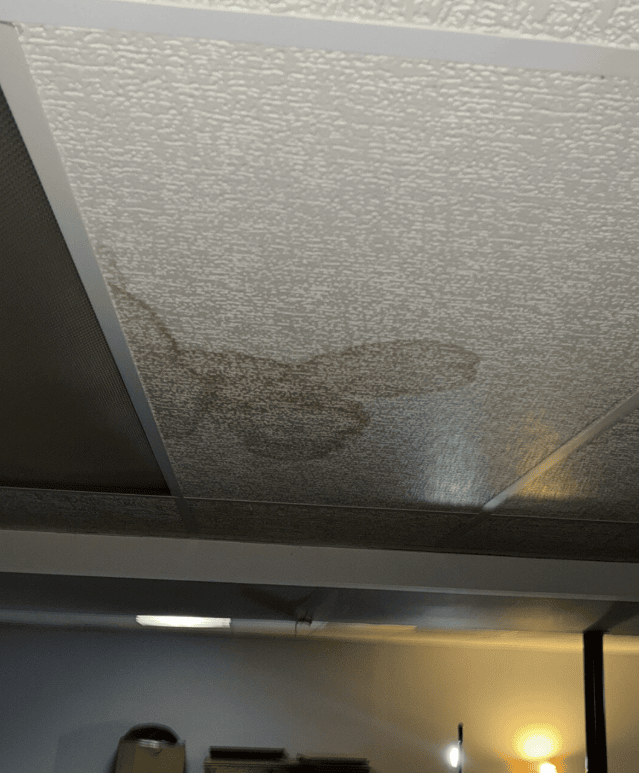
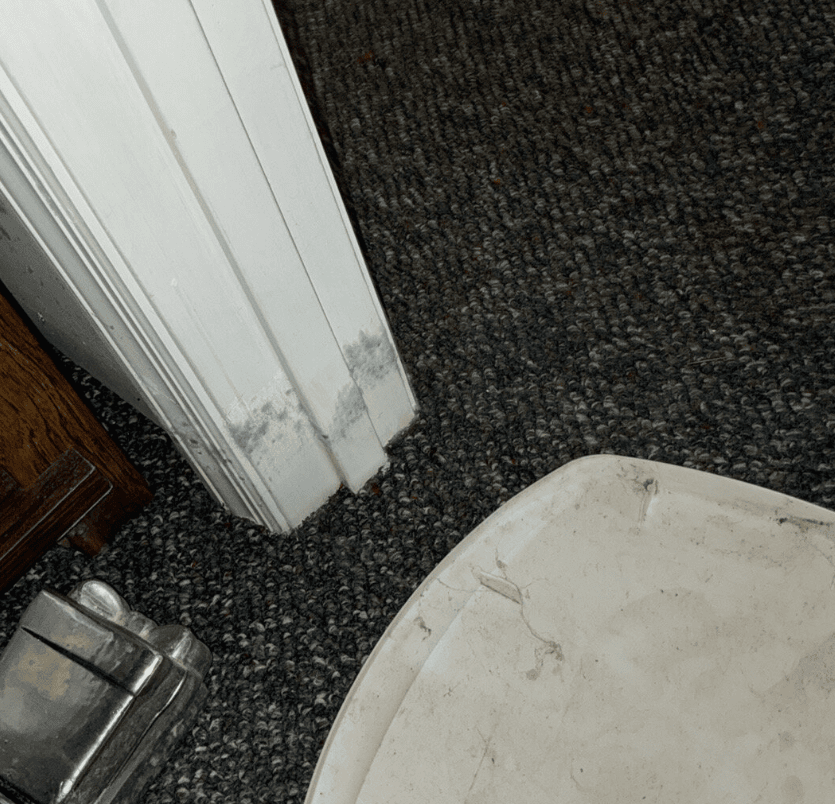
When we arrived at the Saint Charles home, the scope of damage was immediately clear. The basement wasn't just wet, it was contaminated with Category 3 water, the most dangerous type of water damage that requires specialized handling and safety protocols.
Here's what we found:
- Complete basement flooding with sewage-contaminated water
- Damaged flooring throughout the entire lower level
- Compromised walls and ceiling materials showing signs of water absorption
- Strong odors indicating bacterial contamination
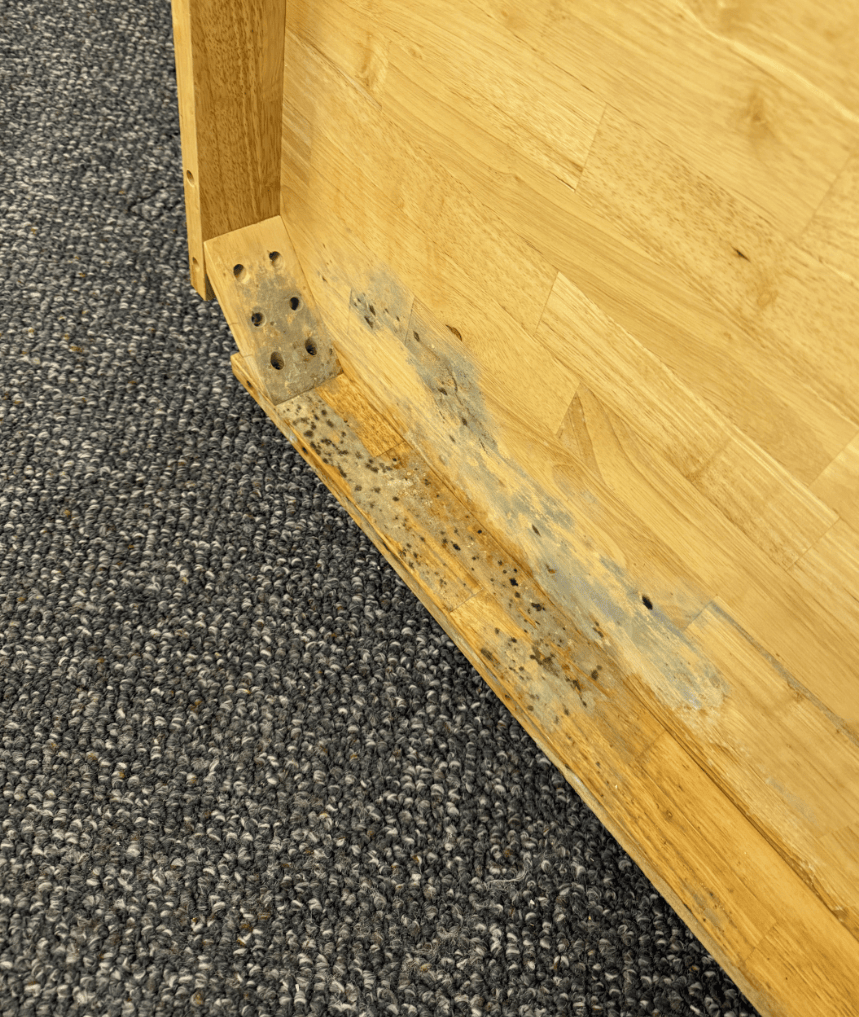
- Potential mold growth conditions due to extended moisture exposure
The family was understandably stressed. This wasn't just about property damage, it was about their health and safety. They needed experts who understood both the technical challenges and the emotional toll this kind of disaster takes on a family.
Our Step-by-Step Restoration Process
Phase 1: Safety First and Initial Assessment
Before we could begin any cleanup work, we conducted a thorough safety assessment. Sewage backups create hazardous conditions that require professional-grade protective equipment and containment protocols.
We started by:
- Testing for asbestos in the affected materials (thankfully, results came back negative)
- Setting up containment barriers to prevent contamination spread
- Documenting all damage for insurance purposes
- Creating a detailed restoration plan tailored to this specific situation
Phase 2: Water Extraction and Equipment Deployment
Time was critical. The longer contaminated water sits, the more damage it causes and the higher the risk of mold growth becomes.
Our team immediately deployed:
- Industrial-grade water extraction equipment to remove all standing water
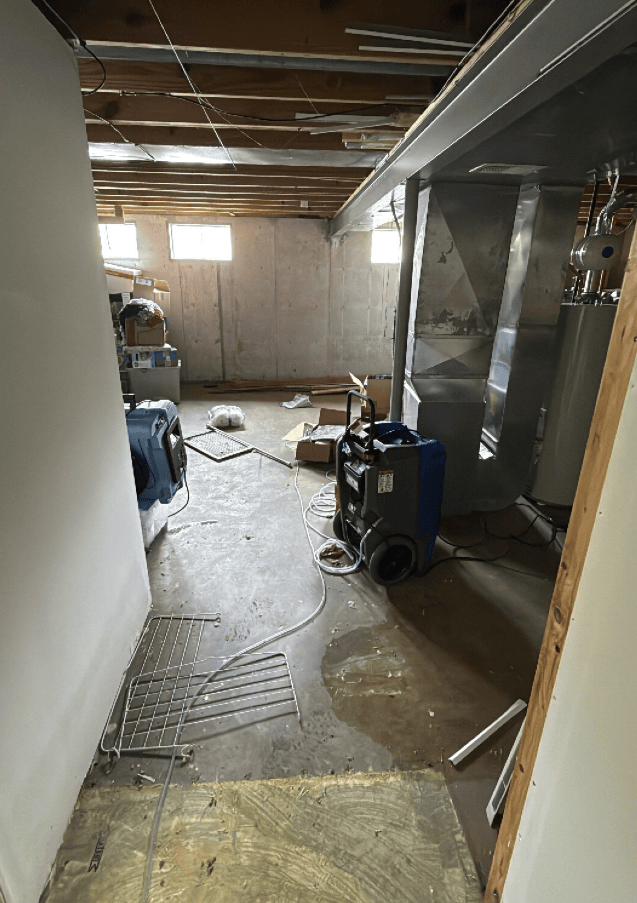
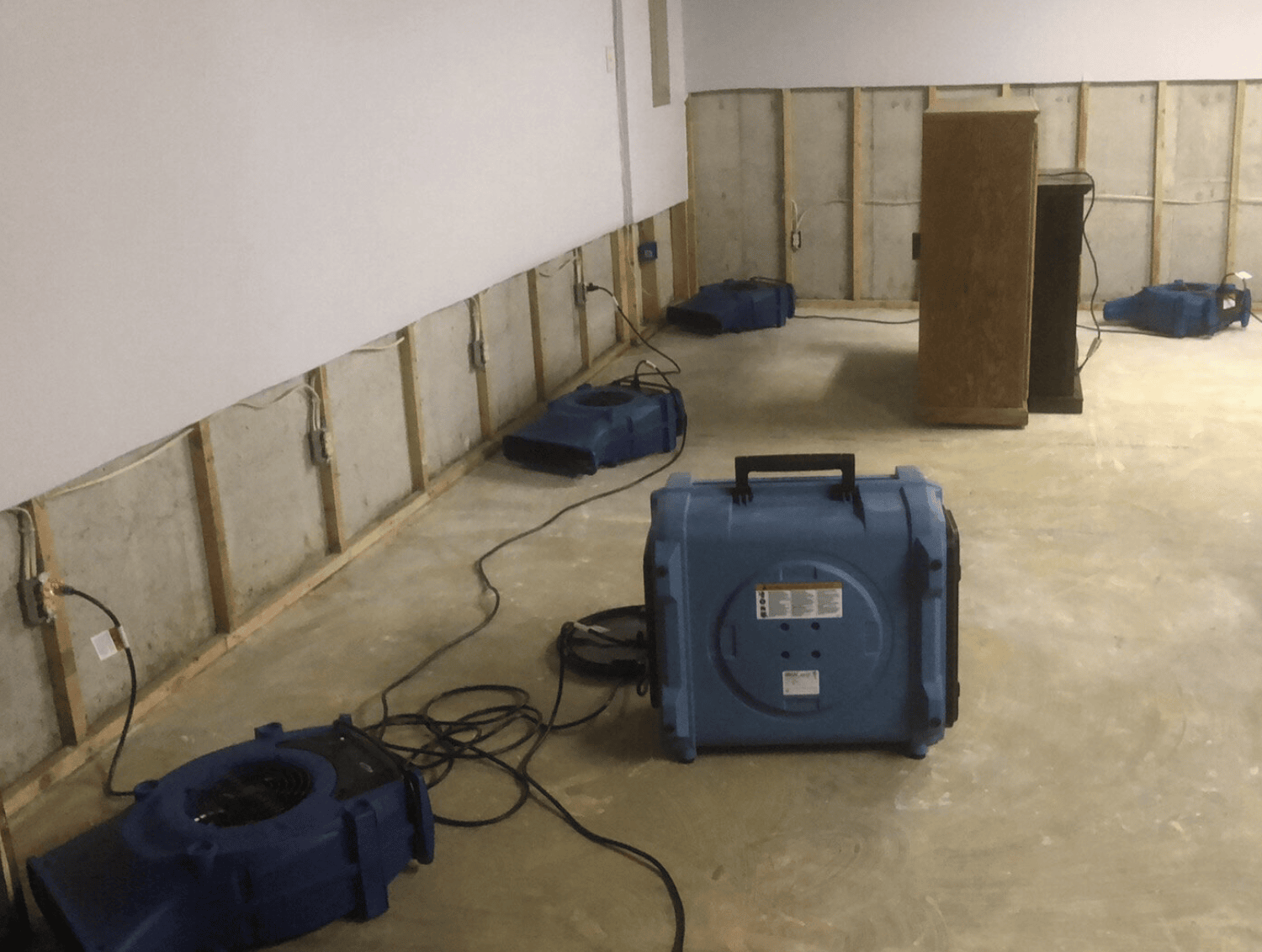
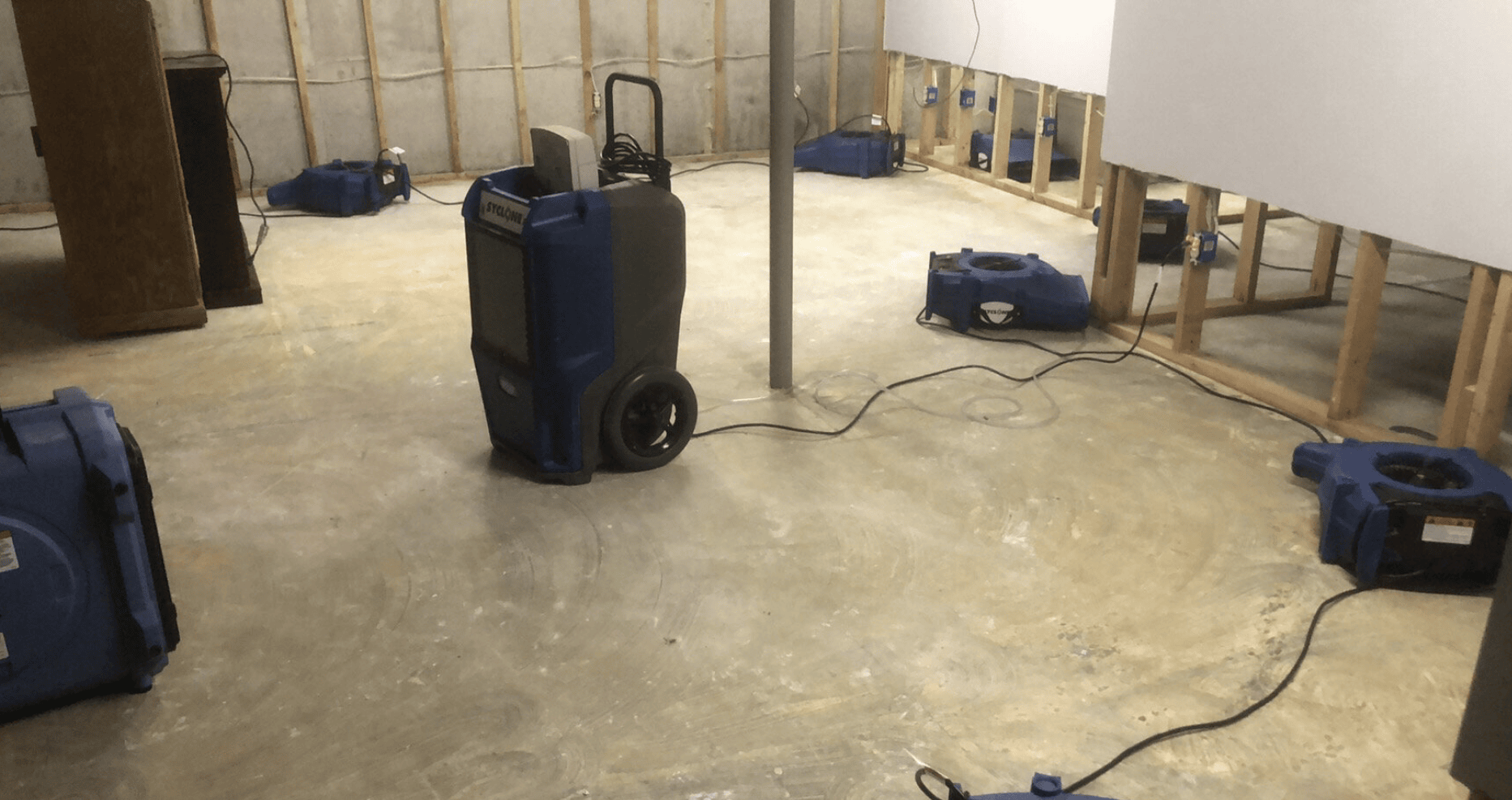
- Seven air movers strategically placed throughout the basement for maximum airflow
- Commercial dehumidifiers to control moisture levels and accelerate drying
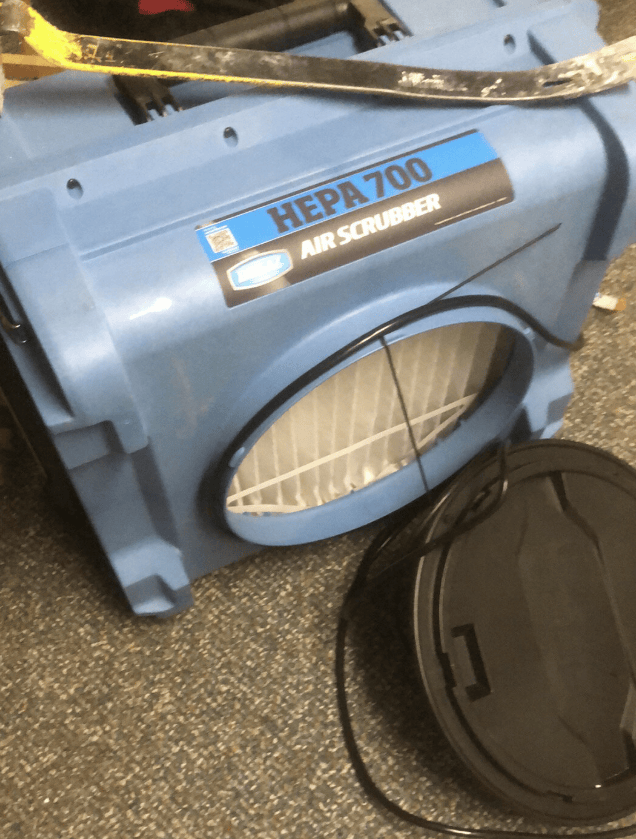
- HEPA-filtered air scrubbers to clean and purify the air
The combination of these tools created optimal drying conditions while protecting the family's health during the restoration process.
Phase 3: Material Removal and Disposal
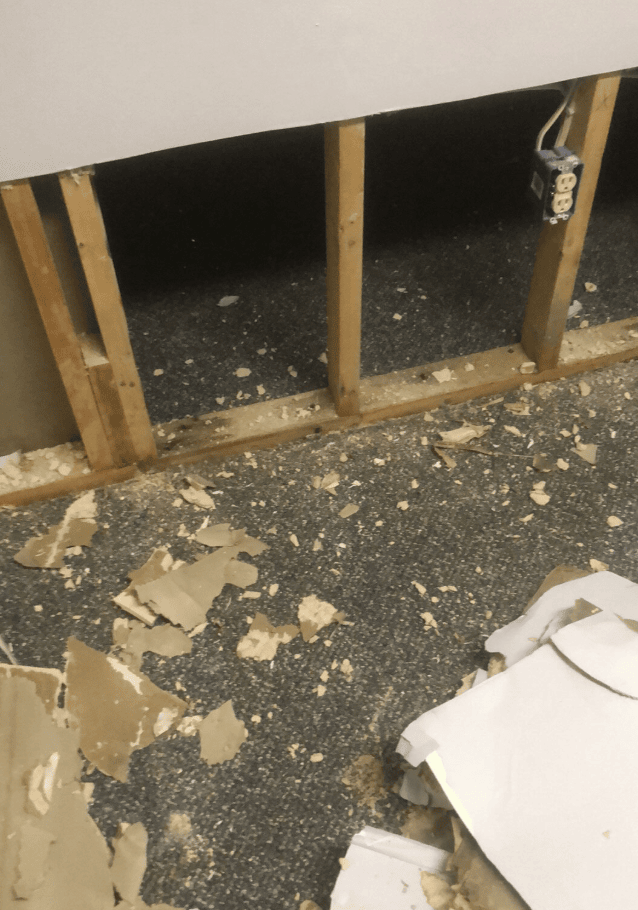
Category 3 water damage means that porous materials can't simply be cleaned, they have to be completely removed and disposed of according to EPA guidelines.
We carefully removed:
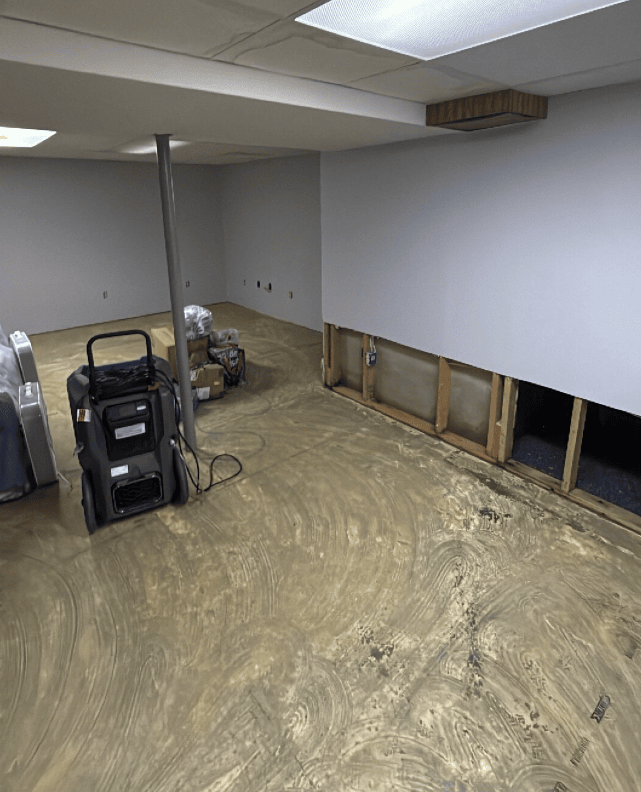
- All affected flooring materials including carpet, padding, and subflooring where necessary
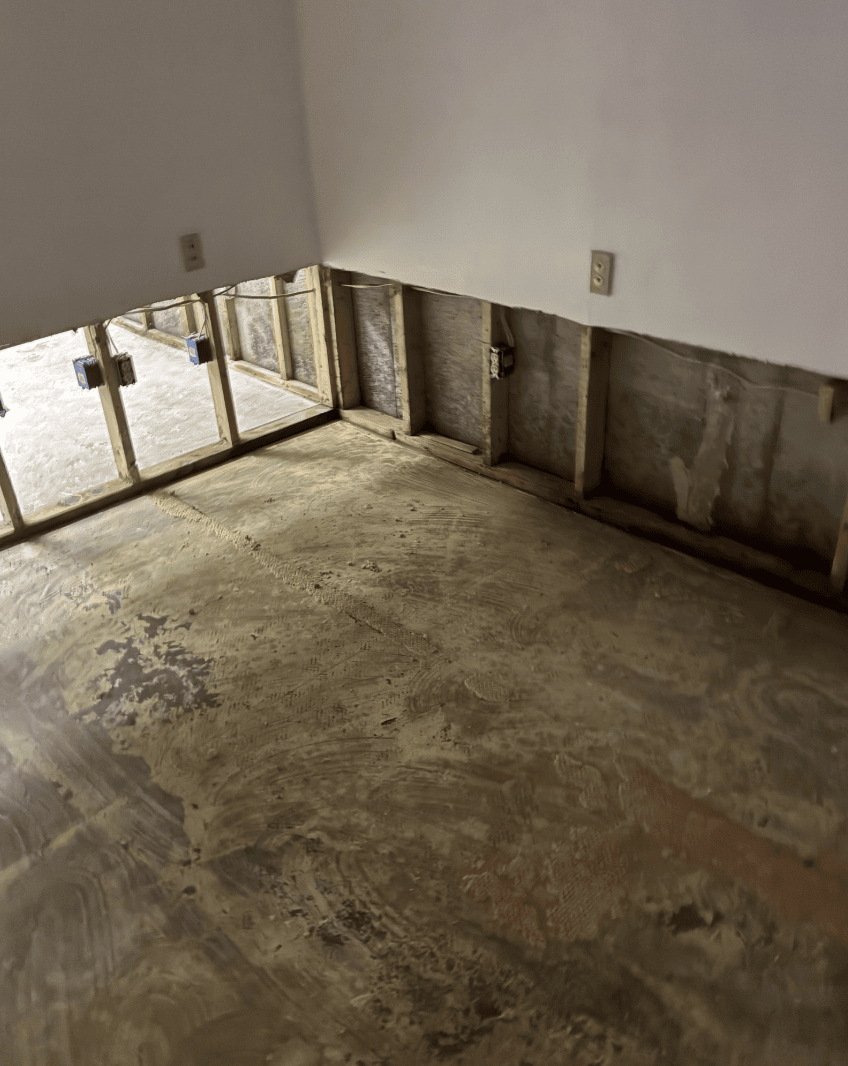
- Contaminated drywall up to the flood line plus an additional 12 inches
- Damaged insulation that had absorbed contaminated water
- Any wood materials showing signs of contamination or structural compromise
Every piece of contaminated material was bagged, sealed, and disposed of at approved facilities to prevent any risk of recontamination.
Phase 4: Deep Cleaning and Antimicrobial Treatment
Once the damaged materials were removed, the real cleaning work began. This wasn't your typical household cleaning, this required professional-grade antimicrobial treatments and specialized techniques.
Our process included:
- HEPA vacuuming of all surfaces to remove debris and contaminants
- Pressure washing of concrete floors and exposed surfaces
- Antimicrobial application to eliminate bacteria and prevent mold growth
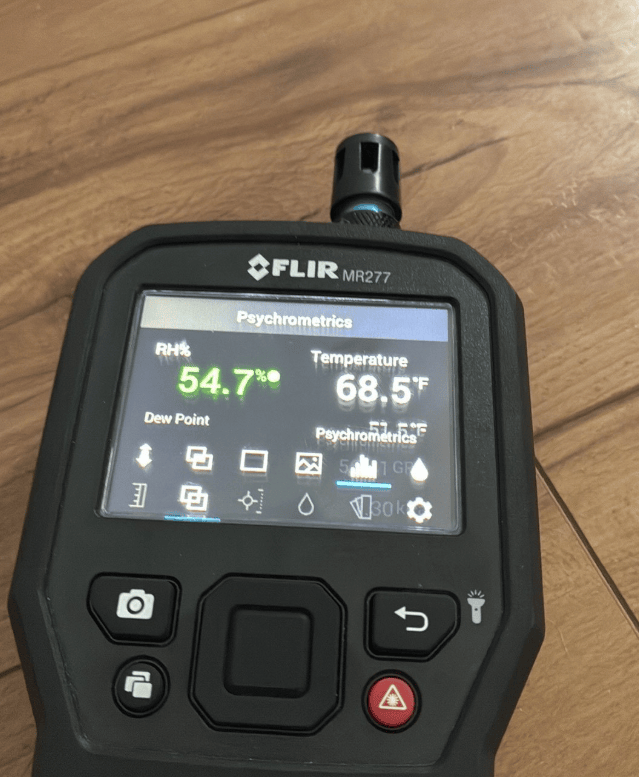
- Structural drying monitoring using moisture meters to ensure complete dryness
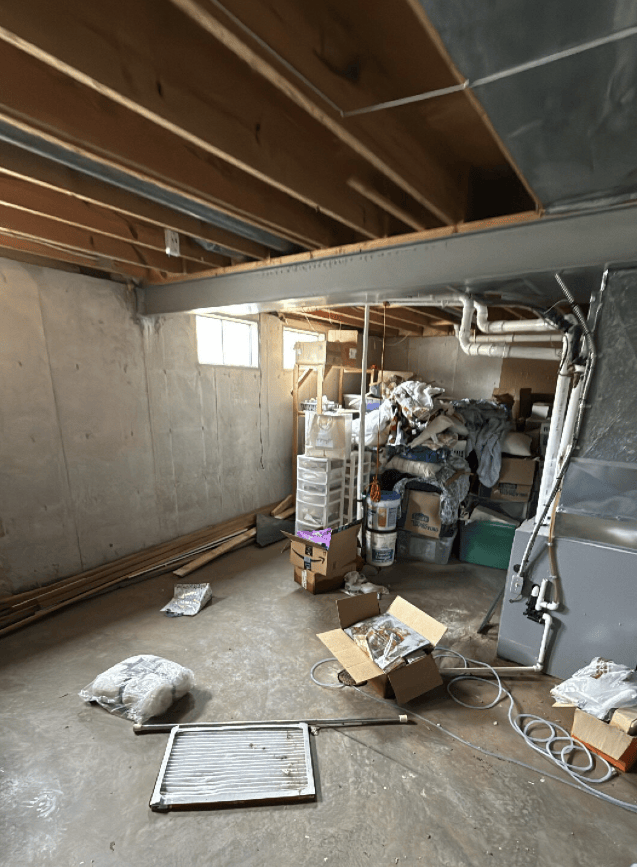
We also cleaned the family's salvageable belongings using specialized techniques designed for Category 3 contamination.
Phase 5: Final Verification and Restoration Prep
Before considering our work complete, we conducted comprehensive testing to verify that the basement was safe for reconstruction:
- Final moisture readings confirmed all materials were thoroughly dry
- Air quality testing showed safe levels throughout the affected areas
- Visual inspection confirmed no signs of remaining contamination or mold growth
The Results: A Safe, Clean Foundation for Rebuilding
After five days of intensive restoration work, we successfully transformed the contaminated basement back into a safe, clean space ready for reconstruction.
What we accomplished:
- ✅ Complete contaminant removal using EPA-approved protocols
- ✅ Structural drying to prevent future mold issues
- ✅ Air quality restoration to safe, breathable levels
- ✅ Insurance documentation to support the family's claim process
- ✅ Preparation for rebuilding with clean, dry surfaces
The homeowner was amazed at how thoroughly we handled every aspect of the cleanup. What started as an overwhelming disaster became a manageable situation thanks to professional expertise and the right equipment.
Why Professional Sewage Cleanup Matters
This case perfectly illustrates why sewage backup cleanup isn't a DIY project. Without proper training, equipment, and safety protocols, attempting to clean up Category 3 water damage can actually make the situation worse.
Common mistakes homeowners make:
- Using household cleaners instead of professional antimicrobials
- Not removing enough contaminated material
- Inadequate drying leading to mold growth
- Improper disposal of contaminated materials
- Insufficient air quality management
Our team has seen the long-term consequences of improper cleanup, from recurring mold problems to ongoing health issues. That's why we follow industry best practices and never cut corners when it comes to safety.
The True North Difference: More Than Just Cleanup
What sets our approach apart isn't just our technical expertise, it's our understanding that disasters affect families, not just properties. Throughout this project, we maintained clear communication with the homeowners, explained each step of our process, and worked directly with their insurance company to minimize stress.
Our commitment includes:
- 24/7 emergency response with 45-minute arrival times
- Direct insurance billing to simplify the claims process
- Certified technicians trained in the latest restoration techniques
- Complete documentation for insurance and health records
- Family-friendly communication that reduces stress during difficult times
Preventing Future Sewage Backups
While we were restoring their basement, we also educated the homeowners about prevention strategies. Common causes of water damage like sewage backups often have warning signs that homeowners can watch for.
Prevention tips we shared:
- Regular sewer line inspections and maintenance
- Installing a sump pump with battery backup
- Avoiding flushing inappropriate items
- Monitoring for slow drains or gurgling sounds
- Understanding your home's plumbing layout
When Disaster Strikes, We're Ready
This Saint Charles sewage backup case study demonstrates why experience matters when dealing with contaminated water damage. From the initial emergency response to the final safety verification, every step requires specialized knowledge and professional-grade equipment.
The family was able to move forward with their basement reconstruction knowing that the foundation was completely clean, dry, and safe. More importantly, they had peace of mind knowing that the job was done right the first time.
If you're facing water damage, sewage backup, or mold remediation needs in Saint Charles County or West County, don't wait. Every hour of delay can mean thousands of dollars in additional damage and increased health risks. Our team also handles asbestos removal when necessary, ensuring your home is completely safe.
Ready for expert help? Call True North Restoration of Greater St. Louis West at (314) 557-3990 for immediate emergency response, or visit our contact page to learn more about our restoration services.
When your world heads south, go True North, and let us help you get back to normal safely and completely.
For more restoration success stories, check out our other case studies: Emergency Moisture Cleanup in New Haven, MO and Mold Remediation in Collinsville, IL. For prevention tips, read our guide on Water Damage Prevention.